


Online trading has become extremely popular in recent years, especially among people looking for additional income or financial independence. Unfortunately, this popularity has also attracted a large number of fraudulent companies that disguise themselves as legitimate brokers. They build professional-looking websites, promise easy profits, and present themselves as experienced financial partners. One of the platforms that has raised serious concerns is Apollo Invest SA, operating through the website apollo-invest-sa.ch. At first sight, it may look like a standard investment company offering access to forex, crypto, and CFD markets. However, a deeper look reveals multiple warning signs that are commonly associated with unregulated and potentially fraudulent brokers. This review is intended to help readers understand how such platforms operate, what risks they carry, and how victims can respond. We will also explain how recovery specialists such as DNB Forex Review can assist people who have already suffered financial losses.
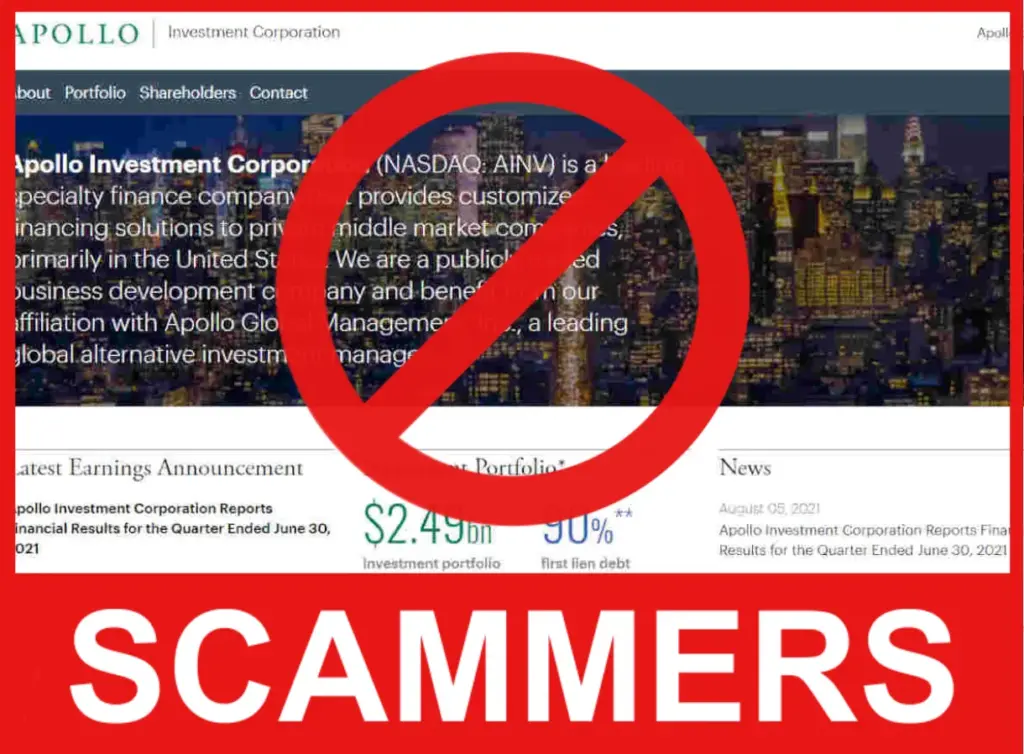
Information About the Fraudulent Broker
Apollo Invest SA presents itself as a modern international investment firm providing trading services across multiple financial markets. The website is designed to look trustworthy, using financial terminology, charts, and promises of professional trading support. At first glance, everything appears convincing, especially for users who are new to online trading. However, many elements of its operation raise concerns. The company actively promotes the idea of quick and stable profits, which is unrealistic in real financial markets. Forex and crypto trading always involve risk, and no legitimate broker can guarantee earnings. When such promises are made, it is often a sign of misleading marketing. After registration, users reportedly receive constant contact from so-called account managers. These individuals encourage deposits and often create pressure by saying that investment opportunities are limited or urgent. This psychological pressure is a common tactic used in high-risk or fraudulent schemes. Another worrying detail is the trading environment itself. Many users in similar cases describe platforms where profits seem to grow unusually fast. In reality, these numbers are often simulated and do not reflect real market transactions. This creates a false sense of success, convincing clients to invest even more money. The overall structure of Apollo Invest SA resembles many previously exposed scam operations, where the main goal is not real trading but continuous deposit collection from clients.
Verification of Company Data
One of the most important steps in evaluating any broker is checking its legal registration and licensing. Real financial companies are required to operate under strict regulation from recognized authorities such as FCA in the United Kingdom, CySEC in Cyprus, ASIC in Australia, or FINMA in Switzerland. In the case of Apollo Invest SA, there is a lack of clear and verifiable regulatory information. The company does not appear in well-known financial regulator databases, or the provided details cannot be confirmed independently. This is a major concern because unregulated brokers do not offer client protection mechanisms. Another issue is transparency. Legitimate companies clearly display their registration number, physical office address, and corporate leadership. In contrast, questionable platforms often provide vague or offshore details that are difficult to verify. In many similar cases, companies also misuse or fabricate licensing information, claiming to be registered in Switzerland or other reputable jurisdictions without actual approval from regulators. The use of Swiss branding in particular often creates a false sense of trust, as clients associate it with financial stability. Without confirmed legal status, clients have no real protection if something goes wrong. This means that once money is transferred, it becomes extremely difficult to recover without external assistance.
Exposing the Broker as a Fraudster
Apollo Invest SA shows several warning signs that are frequently linked to fraudulent brokerage operations. One of the most common complaints in such schemes is withdrawal blockage. Depositing funds is usually fast and simple, but when clients attempt to withdraw their money, unexpected problems arise. These may include identity verification delays, additional fees, or vague compliance requirements. Another concerning pattern is aggressive upselling. Clients are often persuaded to invest more money under the promise of higher profits or access to “premium trading strategies.” This pressure-based approach is not typical for regulated brokers. There is also the issue of platform manipulation. In many scam scenarios, trading dashboards are not connected to real financial markets. Instead, they simulate profits to encourage further deposits. Clients believe they are earning money, while in reality no actual trading takes place. Communication behavior is another red flag. While initial contact is frequent and enthusiastic, support often becomes unresponsive once clients request withdrawals or question account activity. These patterns strongly suggest that Apollo Invest SA operates in a way that prioritizes deposits over genuine financial services.
Fraud Broker’s Deception Scheme
The operation of brokers like Apollo Invest SA typically follows a structured psychological and financial manipulation process. It begins with marketing campaigns that target potential investors through social media, email, or online advertisements. These messages often highlight financial freedom, passive income, or low-risk trading opportunities. Once a user registers, they are contacted by a “personal advisor.” This individual plays a key psychological role, building trust and presenting themselves as a professional helping guide investment decisions. The first deposit is usually small and easy. Shortly after, the client sees apparent profits on their account dashboard. This is designed to build confidence and reduce skepticism. Encouraged by these results, clients are pushed to deposit larger amounts. At this stage, emotional pressure increases. Advisors may claim that bigger investments are needed to maximize profit or avoid missing opportunities. The critical moment comes when the client tries to withdraw funds. Suddenly, new conditions appear: tax payments, verification fees, or technical issues. Each step is designed to delay or prevent withdrawal. Eventually, communication may stop completely, leaving the client without access to their funds and without support.
How to Get Money Back from a Scam Broker
Recovering funds from unregulated brokers can be extremely difficult, but not always impossible. The key factor is acting quickly and using the right professional support. Specialized companies such as DNB Forex Review focus on assisting victims of fraudulent brokers. Their work typically involves analyzing transactions, identifying payment channels, and determining possible recovery methods. Depending on the situation, recovery may involve chargebacks (for card payments), bank dispute procedures, crypto tracing (for digital assets), or legal claims against payment intermediaries. One of the most important steps for victims is to stop further communication with the broker immediately. Scammers often continue contacting clients, trying to extract additional payments under different excuses. It is also important to collect all available evidence. This includes screenshots of the platform, transaction records, emails, chat logs, and any promotional materials received during registration. Professional recovery specialists then evaluate the case and determine the best legal and financial strategy. While no recovery process is guaranteed, structured action significantly increases the chances of success compared to trying to resolve the issue alone.
Negative Reviews About the Broker
Feedback from users who interacted with platforms like Apollo Invest SA often follows a similar pattern. Many describe initial positive experiences during the first stages of communication. Account managers appear helpful, and the trading interface shows promising results. However, this perception changes once withdrawal is requested. Users frequently report that their requests are ignored or rejected without clear explanation. Some are told that additional payments are required before funds can be released. Others mention continuous pressure to invest more money, even after expressing a desire to stop. In some cases, clients report being contacted multiple times a day by different representatives pushing new investment opportunities. A common theme in complaints is emotional stress and financial loss. Many victims feel misled by the professional appearance of the platform and regret trusting unverified advisors. These reviews, while varying in detail, often point toward the same conclusion: difficulty accessing funds and lack of transparent financial operations.

Additional warning signs and industry context
When people first encounter a broker like Apollo Invest SA, the presentation often feels convincing enough: a modern website, “financial experts,” trading dashboards, and promises of stable income. But in the wider context of the online trading industry, there are well-known patterns that repeatedly appear in suspicious and fraudulent broker operations. Understanding these patterns is often more useful than focusing only on one company, because the same mechanisms are reused again and again under different names. One of the strongest warning signs in the industry is the newness and instability of the brand identity. Many questionable brokers appear suddenly, operate actively for a short period, and then either rebrand or disappear completely. Their websites are often recently registered, and corporate information is minimal or constantly changing. This creates a moving target: even if complaints start appearing, the company may already be preparing a new identity under a different name. Another common issue is the lack of real regulatory supervision. In legitimate trading, regulation is not just a formality—it defines how client money is handled, how disputes are resolved, and what protections exist in case of misconduct. Fraudulent brokers often exploit jurisdictions where regulation is weak or where registration does not require strict financial oversight. They may claim to be “international” or “fully compliant,” but without verifiable proof in official regulator databases, such claims mean very little. A very important industry-wide tactic is the use of fake credibility signals. This includes displaying fabricated licenses, using stock images of office buildings, or adding logos of known financial authorities without authorization. Some platforms even create fake certificates or mention affiliations with real companies that they are not actually connected to. These visual elements are designed to reduce skepticism quickly, especially among beginners who may not know how to verify them properly. Another widespread issue is aggressive client acquisition strategies. In legitimate financial services, marketing is usually informational and compliance-focused. In contrast, suspicious brokers often rely on emotionally driven messaging: “financial freedom,” “guaranteed income,” or “exclusive opportunity.” This is often paired with urgency—clients are told that opportunities are limited or that markets are about to change dramatically. The goal is not informed decision-making but fast emotional commitment. Once a client enters the system, a very recognizable pattern begins: relationship-based pressure sales. Instead of anonymous platform interaction, users are assigned personal “advisors” or “analysts.” These individuals are not neutral consultants; they are trained to increase deposits. They may call frequently, build personal trust, and gradually escalate investment pressure. This approach is especially effective because it turns financial decisions into personal conversations, making it harder for victims to step back objectively. Another important industry context is the use of controlled trading environments. Many victims later discover that the trading platforms they used were not connected to real liquidity providers or exchanges. Instead, they were internal systems where numbers could be adjusted freely. This allows the broker to simulate profits, losses, and market activity without any actual market execution. In such environments, the “growth” of an account balance is simply a visual tool, not a reflection of real trading performance. A particularly damaging mechanism is the gradual escalation trap. Instead of asking for large deposits immediately, fraudulent systems usually start small. Once trust is built, each next step requires more money: unlocking profits, activating withdrawals, upgrading account levels, or paying taxes and fees. Each stage feels logical on its own, but together they form a continuous extraction process where the client is always one step away from “finally receiving funds.” The broader industry context also includes the problem of withdrawal manipulation as a control tool. In legitimate finance, withdrawal is a basic right and process. In suspicious broker models, withdrawal becomes a negotiation. Clients may be told they need additional verification, must reach trading volume requirements, or pay unexpected administrative charges. These obstacles are rarely consistent and often change depending on how much money the client has invested. The more a client deposits, the more complex the withdrawal process becomes. Another frequently overlooked warning sign is the emotional management of victims. Fraudulent brokers often use psychological cycles: excitement during deposits, reassurance during early “profits,” frustration during withdrawal attempts, and renewed hope when “solutions” are offered. This emotional loop can keep victims engaged far longer than they normally would remain in a rational financial relationship. From a broader perspective, the online trading scam ecosystem has become increasingly professionalized. It is no longer just isolated websites but often structured networks involving call centers, marketing teams, and technical developers. Some groups operate multiple brands simultaneously, switching identities when one becomes exposed. This makes it difficult for victims to track responsibility or connect complaints across different platforms. Another contextual issue is the misuse of crypto payments and irreversible transfers. Many modern suspicious brokers encourage deposits via cryptocurrencies, prepaid cards, or non-reversible payment methods. This is not accidental—these channels reduce the possibility of chargebacks and make fund tracing more complex. Once money is transferred, recovery becomes significantly more difficult without specialized forensic and legal tools. Finally, there is the growing problem of fake recovery services, which also forms part of the same ecosystem. Victims of one scam are sometimes targeted again by “recovery agents” claiming they can instantly return lost funds for an upfront fee. This secondary exploitation is particularly harmful because it targets people who are already financially and emotionally vulnerable. In this broader context, platforms like Apollo Invest SA are not isolated cases but part of a wider pattern seen across the unregulated trading industry. Recognizing these systemic behaviors is crucial, because it helps potential investors identify risk early, before any financial damage occurs.
Conclusion
Apollo Invest SA demonstrates multiple characteristics commonly associated with high-risk or potentially fraudulent brokerage operations. Lack of transparent regulation, withdrawal issues, aggressive sales tactics, and inconsistent communication all contribute to serious concerns about its legitimacy. While online trading itself is a legitimate financial activity, it must always be conducted through properly regulated and verified companies. When dealing with unregulated platforms, the risk of losing funds is extremely high. For individuals who have already suffered financial losses, it is important not to remain passive. Professional assistance from recovery specialists such as DNB Forex Review can significantly improve the chances of recovering at least part of the lost funds. These experts understand how such schemes operate and know how to work with banks, payment systems, and legal mechanisms. The key takeaway is simple: caution, verification, and quick action are essential. In the world of online investing, protecting your capital starts with choosing the right broker—and recognizing warning signs before it is too late.