


In the modern online investment world, it has become increasingly difficult to separate legitimate financial companies from platforms that only imitate real brokerage services. Many of them look professional on the surface, use convincing terminology, and promise access to global markets with attractive returns. But behind this polished appearance, the reality can be very different. BS Finanz is one of those brokers that has drawn attention due to growing concerns from traders and online discussions. While it presents itself as a financial services provider offering trading opportunities in forex and CFDs, a closer look at user experiences and typical industry patterns raises serious questions about its transparency and reliability. This review is designed to give a clear and honest overview of what is known about BS Finanz, what users are saying, and why caution is strongly advised. The material is also useful for people who may already be facing difficulties with withdrawals or communication and are looking for possible solutions with the help of specialists such as DNB Forex Review, who focus on assisting clients in recovering funds from questionable brokers. The goal here is not to create panic, but to help readers make informed decisions and avoid financial losses caused by misleading platforms.
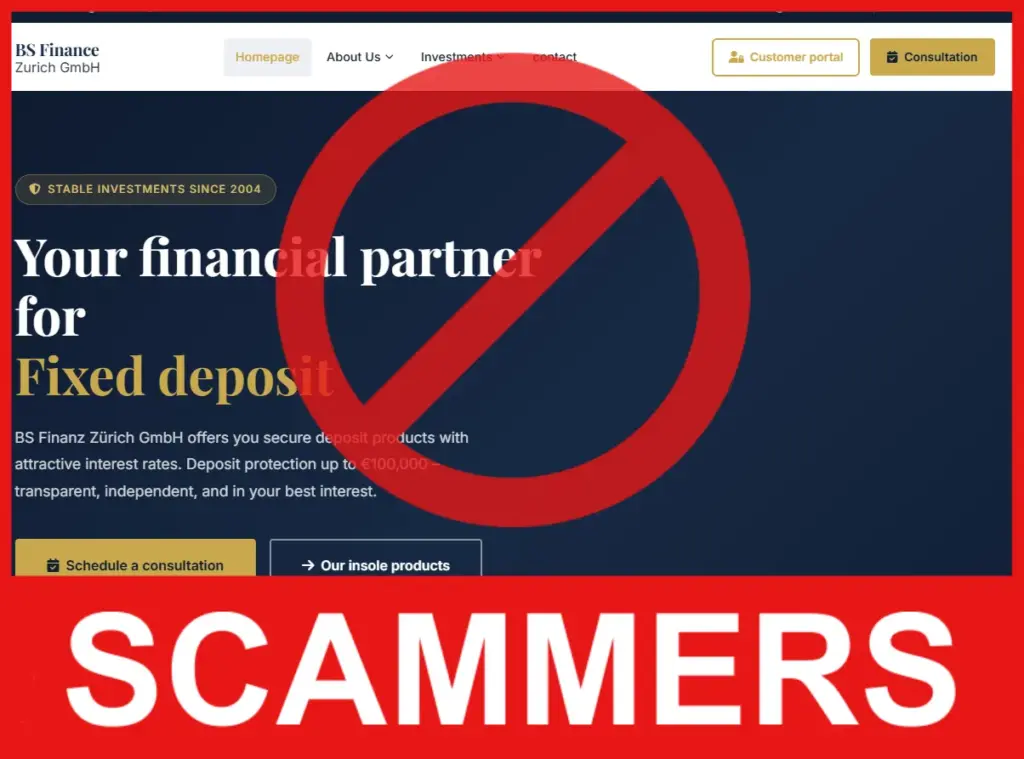
Information About the Fraudulent Broker
BS Finanz presents itself as an international brokerage platform offering access to multiple financial markets, including forex, cryptocurrencies, commodities, and CFDs. At first glance, the website structure looks familiar: there are descriptions of trading tools, promises of professional support, and marketing messages focused on financial opportunities. However, when users begin interacting with such platforms, a very different picture often emerges. Many traders report that the onboarding process is unusually fast and simple. After registration, users are typically contacted by account representatives who encourage them to deposit funds as soon as possible. According to numerous discussions found across trading forums and complaint boards, these representatives often emphasize potential profits and suggest that larger deposits lead to better trading opportunities. This approach can create pressure, especially for inexperienced users who are new to financial markets. Another recurring theme is the lack of clarity regarding trading conditions. Important details such as fee structures, execution methods, and risk disclosures are often not clearly explained. Instead, users are encouraged to focus on potential gains rather than technical transparency. In many similar cases within this industry segment, platforms behave more like closed systems where all activity is controlled internally rather than being connected to real external liquidity providers. This makes it difficult for clients to independently verify whether real market trading is actually taking place. Although BS Finanz positions itself as a professional brokerage service, the overall user experience described online often suggests inconsistencies between marketing claims and actual practice.
Verification of Company Data
One of the most important steps when evaluating any brokerage is checking whether the company operates under proper financial regulation. Licensed brokers are required to provide transparent information about their registration, regulatory authority, and legal structure. In the case of BS Finanz, publicly available verification appears limited. Users attempting to confirm licensing details often report difficulties finding clear evidence of regulation under recognized financial authorities such as FCA, CySEC, or ASIC. Instead of transparent documentation, some brokers in this category rely on vague references to registration or offshore jurisdictions. While offshore registration is not automatically proof of wrongdoing, it usually means weaker regulatory oversight and fewer protections for clients in case of disputes. Another issue raised by users is inconsistency in company details. In some cases, business addresses or legal information provided on websites do not match independently verifiable records. This creates additional uncertainty about who is actually operating the platform. A regulated financial company is expected to be fully transparent and easily verifiable through official databases. When such verification is difficult or unclear, it becomes a serious warning sign for potential clients. Because of this, financial experts always recommend checking broker credentials independently rather than relying solely on information published on the company’s own website.
Exposing the Broker as a Fraudster
When analyzing complaints related to platforms like BS Finanz, certain patterns tend to repeat themselves across different users. One of the most frequently mentioned issues is withdrawal difficulty. While depositing money is usually fast and effortless, users often report problems when trying to withdraw their funds. These problems can include long delays, repeated verification requests, or sudden account limitations. Another concern involves communication with account managers. Many users describe situations where representatives actively encourage them to invest more money, sometimes using persuasive or emotionally driven language. Promises of higher profits or “special investment opportunities” are commonly mentioned in these cases. Some traders also report that their account balance appears to grow steadily in the beginning, which encourages further investment. However, when withdrawal is requested, unexpected obstacles begin to appear. There are also broader warning signs often associated with such platforms, including unclear company ownership, lack of independent financial audits, and limited transparency about how trades are actually executed. In addition, customer support may become less responsive once a user begins questioning withdrawals or requests account closure. While none of these signs alone proves wrongdoing, the combination of multiple red flags creates a risk profile that should not be ignored.
Fraud Broker’s Deception Scheme
Many questionable brokerage platforms follow a similar psychological and operational pattern. The process usually begins with aggressive marketing. Potential clients are targeted through online ads, social media campaigns, or direct messages. The messaging often focuses on easy profits and financial independence. Once a user registers, the next step is onboarding pressure. Account managers quickly make contact and encourage an initial deposit. This step is often framed as a small entry point into larger opportunities. After the deposit is made, the user is shown trading activity that appears positive. Profits may be displayed in the account dashboard, creating a sense of trust and success. At this stage, users are often encouraged to invest more to “maximize returns.” As investments grow, communication becomes more intense. Clients may be told that larger deposits unlock better trading conditions or reduce risks. The final stage usually occurs when the user attempts to withdraw funds. At this point, complications begin to appear. These can include additional fees, verification requirements, or claims that taxes or commissions must be paid before withdrawal is allowed. In many cases, communication becomes limited or completely stops after repeated withdrawal requests. This cycle has been observed in many disputed brokerage environments and is one of the most common patterns reported by affected traders.
How to Get Money Back from a Scam Broker
If someone is already experiencing problems with a broker, the most important thing is to act quickly and carefully. The first step is to gather all available documentation. This includes payment receipts, transaction records, email correspondence, chat logs, and screenshots of the trading platform. Every piece of information can be useful later. The next step is to stop any further payments immediately. In many cases, clients are encouraged to deposit more money in order to “unlock withdrawals,” which is a common warning sign in disputed situations. After that, it is strongly recommended to seek professional help. Specialists such as DNB Forex Review deal with financial dispute cases and help clients explore recovery options based on the payment method used. Depending on the situation, possible recovery methods may include chargeback procedures for card payments, bank transfer recalls, crypto tracing when applicable, or formal complaints through financial institutions and regulators. Time is a critical factor in these cases. The sooner action is taken, the higher the chances of recovering funds successfully. Professional assistance is especially important when dealing with cross-border transactions or unregulated entities, where standard banking protections may not apply.
Negative Reviews About the Broker
Online discussions about brokers like BS Finanz often reveal similar patterns of dissatisfaction among users. One of the most common complaints involves withdrawal issues. Many traders report that they are unable to access their funds after requesting payouts. In some cases, delays stretch for weeks or even longer without clear explanations. Another frequent issue is aggressive communication from account managers. Users describe feeling pressured to invest more money even after expressing hesitation or reporting losses. There are also reports of sudden changes in account status, including restrictions or freezes applied without prior warning. In such situations, users often struggle to receive clear answers from support teams. Some traders mention that initial interactions with the platform seem professional and encouraging, but the experience changes once financial requests become more serious. Overall, the sentiment expressed in many reviews is one of frustration and disappointment, especially regarding lack of transparency and difficulty accessing funds.

Important Insights Many Traders Overlook
There are things that rarely get explained clearly when someone first enters online trading. Most attention usually goes to profits, platform design, and promises of “fast financial growth.” But the real risks are often hidden in the background, in details that seem unimportant at first glance but later become critical. One of the most overlooked aspects is how trust is actually built between a broker and a client. On the surface, everything looks professional: a clean website, trading charts, a user-friendly dashboard, and “advisors” who respond quickly. But this trust is often not based on real transparency. Instead, it is created through first impressions and controlled communication designed to reduce caution and encourage engagement. Many traders also fail to realize that the “growing balance” shown inside a trading account does not always reflect real market activity. In some cases, what users see is only a visual representation inside a closed system, not verified external trading results. For a beginner, this looks like real profit, and this is where the first serious misunderstanding often begins—trusting internal numbers without independent confirmation. Another important detail is the role of so-called personal account managers. At the beginning, they often appear helpful and supportive. They explain features, suggest strategies, and guide users through the platform. However, over time their focus often shifts. The communication becomes more about increasing deposits, using phrases like “market opportunity,” “limited entry moment,” or “higher tier benefits.” The goal in such interactions is usually not client success, but increased trading volume and larger deposits. Something else that many users overlook is how unclear trading conditions can remain until the moment a withdrawal is requested. Deposits are usually processed smoothly, which creates a sense of reliability. But when a client tries to withdraw funds, new conditions may suddenly appear—additional verification steps, unexpected fees, or requests for further payments. This shift in behavior is one of the most common warning signs in questionable brokerage environments. Psychological pressure is another factor that is often underestimated. It is not always aggressive or obvious. Sometimes it appears as frequent phone calls, friendly reminders, or motivational messages about other clients who are “already making profits.” This creates a sense of urgency and fear of missing out, pushing users to act faster and invest more than originally planned. Another key issue is the lack of independent oversight. Regulated financial companies are monitored by official authorities that ensure fair treatment of clients. In less transparent environments, there is no external control—meaning the platform itself defines the rules, processes withdrawals, and resolves disputes internally. This creates an imbalance where the client has very limited protection in case of conflict. Many traders also underestimate the importance of internal terms and conditions. Even if a platform looks simple and user-friendly, the legal documents behind it may include clauses that allow the company to delay withdrawals, request extra documentation, or impose additional charges. These conditions are often overlooked during registration and only become relevant when a user tries to withdraw money. It is also important to understand that problematic schemes rarely start with obvious fraud. The process is usually gradual. First comes comfort and trust, then small successes, followed by increased investment, and only later do withdrawal issues begin. This slow progression makes it difficult for users to recognize the risk early enough. Finally, one of the most underestimated elements is emotional involvement. When users see growing numbers in their accounts, it becomes harder to think objectively. Instead of securing profits, they often choose to reinvest, hoping for even greater returns. This emotional reaction is exactly what leads many people to make the most expensive financial mistakes. Understanding these hidden mechanisms helps traders evaluate platforms more realistically. Even if a broker looks convincing on the surface, real financial safety should never be based on appearance or promises. It must always rely on verifiable regulation, transparent conditions, and independent proof of operations.
Conclusion
BS Finanz is a platform that raises multiple concerns when examined from both user feedback and industry risk patterns. While it presents itself as a professional brokerage service, the lack of transparent regulation, combined with repeated complaints about withdrawals and communication issues, creates a situation that should be approached with caution. Not every user may experience the same outcome, but the recurring issues reported online are significant enough to warrant careful attention before investing any money. The most important message for readers is simple: always verify before you trust. In financial trading, especially online, appearance can be misleading, and recovery after loss is often difficult without professional support. If funds have already been deposited and problems have started to appear, it is highly recommended to seek assistance as early as possible. Specialists such as DNB Forex Review can help analyze the situation, identify possible recovery paths, and guide clients through the process of attempting to return lost funds. Taking timely action can make a real difference in financial recovery cases, and ignoring early warning signs often leads to greater losses.